My Cart (0 Item)

US Based Customer Support

Shipping With Tracking

Secure Payments

Immerse yourself in the rich, comforting warmth of authentic loose leaf rooibos. Hand-harvested from the Cederberg Mountains of South Africa, this unique herbal tea is celebrated for its deep crimson color, velvety mouthfeel, and naturally sweet, nutty flavor. Caffeine-free and low in tannins, our premium rooibos portfolio offers a robust, full-bodied experience without any bitterness.

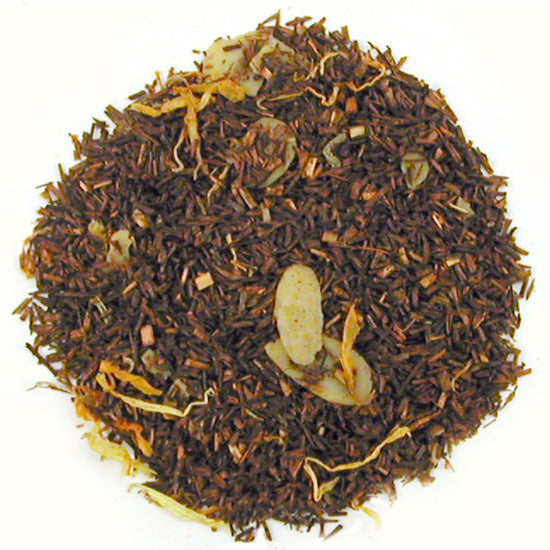


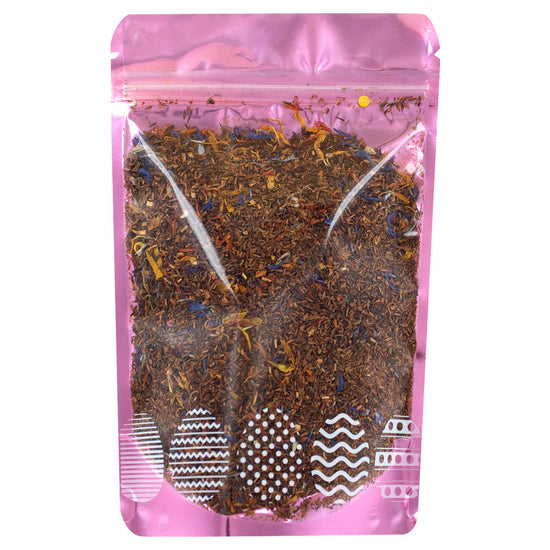


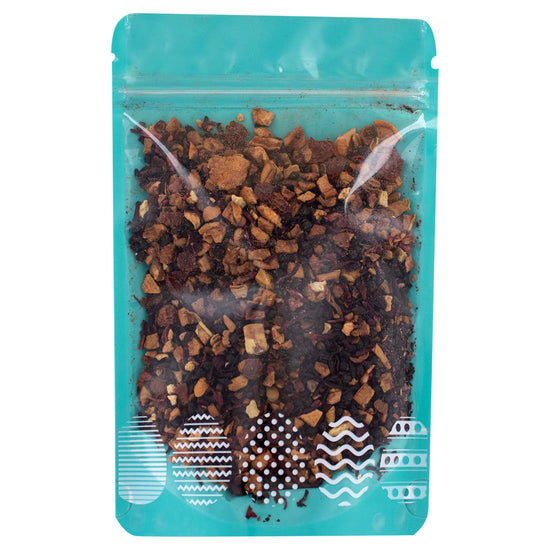


True rooibos relies on the unique terroir of South Africa, where the Aspalathus linearis plant develops its signature character. Through a traditional bruising and fermentation process, the foliage transforms into antioxidant-rich amber shards, creating a stable, hydrating infusion perfect for any time of day.
Showcase the brilliant crimson color of your rooibos by serving in clear glass or minimalist white ceramics. Complete your collection by exploring our Ceremonial & Culinary Matcha or find the perfect gift in our Tea Gift Sets library.

Immerse yourself in the bold, time-honored sophistication of our premium black tea collection. Sourced from the world’s most prestigious heritage estates, these leaves undergo a meticulous oxidation process to unlock deep, multi-layered complexities. Offering a refined caffeine lift and rich antioxidants, our portfolio delivers a velvety mouthfeel—the perfect centerpiece for your morning ritual or afternoon respite.
Timeless and bold. Add a splash of milk and a cube of sugar to serve it the English way.
Shop All Black Tea


